





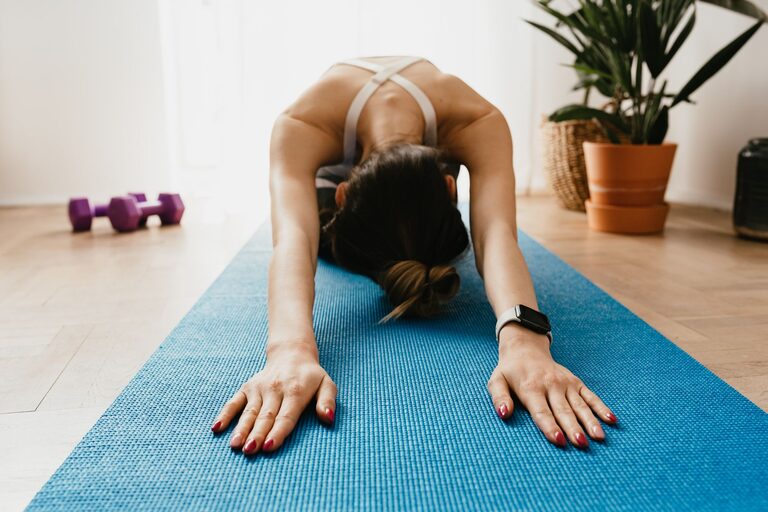
Stretching is a simple yet powerful way to enhance your flexibility, reduce muscle tension, and improve overall physical well-being. Whether you’re new to fitness or looking for a gentle activity to complement your routine, stretching at home offers numerous benefits without needing special equipment or a gym membership.
This beginner’s guide will walk you through the essentials of stretching safely and effectively, including why it’s important, when to stretch, and some easy stretches to get you started.
Why Stretching Matters
Stretching helps maintain and improve the range of motion in your joints, which supports better movement and reduces the risk of injuries. It can also:
– Relieve muscle tightness and soreness
– Improve posture
– Reduce stress and promote relaxation
– Boost circulation and energy levels
Developing a consistent stretching habit can make daily activities more comfortable and help you stay active as you age.
When to Stretch: Tips for Timing
Knowing when to stretch is just as important as how to stretch. Here are some general guidelines:
Before Exercise: Dynamic Stretching
Before a workout or physical activity, focus on dynamic stretches—these involve moving parts of your body and gradually increasing reach, speed, or both. Dynamic stretches warm up your muscles and increase blood flow, preparing your body for exercise.
Examples: leg swings, arm circles, walking lunges
After Exercise: Static Stretching
Post-exercise is ideal for static stretching, where you hold a stretch for 15-60 seconds to help your muscles relax and improve flexibility. Stretching when your muscles are warm reduces the risk of injury and helps with recovery.
Anytime: Gentle Stretching
You can also stretch gently throughout the day, especially if you spend long hours sitting or standing. These stretches can reduce stiffness and improve your comfort.
Stretching Basics: Safety and Technique
Before you start stretching, keep these key points in mind:
– Warm up first: If you aren’t stretching after exercise, do a light warm-up like walking for 5 minutes.
– Move slowly: Avoid bouncing or jerky movements to prevent muscle strain.
– Breathe deeply: Inhale and exhale deeply to help relax your muscles during stretches.
– Listen to your body: Stretch to the point of mild tension, never to pain.
– Hold steady: Aim to hold each stretch for at least 15-30 seconds for best results.
Beginner-Friendly Stretches to Try at Home
Here are some gentle, effective stretches suitable for beginners. You can do these on a yoga mat, carpet, or any comfortable surface.
Neck Stretch
– Sit or stand tall with your shoulders relaxed.
– Slowly tilt your head toward your right shoulder until you feel a stretch on the left side of your neck.
– Hold for 20 seconds, then switch sides.
Shoulder Stretch
– Bring your right arm across your chest.
– Use your left hand to gently press your right arm closer to your chest.
– Hold for 20-30 seconds, then switch arms.
Chest Opener
– Clasp your hands behind your back.
– Gently straighten your arms and lift your chest while squeezing your shoulder blades together.
– Hold for 20-30 seconds.
Seated Forward Fold
– Sit on the floor with your legs straight in front of you.
– Slowly reach toward your toes, keeping your back straight.
– Stop when you feel a comfortable stretch in your hamstrings.
– Hold for 20-30 seconds.
Cat-Cow Stretch (Spine Mobility)
– Start on your hands and knees in a tabletop position.
– Inhale as you arch your back (cow pose), lifting your head and tailbone.
– Exhale as you round your spine (cat pose), tucking your chin and tailbone.
– Repeat 5-10 times, moving slowly with your breath.
Hip Flexor Stretch
– Kneel on your right knee with your left foot in front, creating a 90-degree angle at both knees.
– Shift your weight slightly forward to stretch the front of your right hip.
– Hold for 20-30 seconds, then switch sides.
Calf Stretch
– Stand facing a wall with your hands pressed against it.
– Step your right foot back, keeping your heel on the floor and your leg straight.
– Bend your left knee slightly and lean toward the wall until you feel a stretch in your right calf.
– Hold for 20-30 seconds, then switch sides.
Creating a Simple Stretching Routine
Start with 5-10 minutes of stretching daily and gradually increase the time as you become more comfortable. Here’s a sample routine for beginners:
- Warm-up with light walking or marching in place (3 minutes)
- Neck stretch (20 seconds each side)
- Shoulder stretch (30 seconds each arm)
- Chest opener (30 seconds)
- Seated forward fold (30 seconds)
- Cat-cow stretch (8-10 cycles)
- Hip flexor stretch (30 seconds each side)
- Calf stretch (30 seconds each leg)
Remember to perform each stretch slowly and breathe deeply. Consistency is key, so try to stretch at the same time daily to build a habit.
Tips to Stay Motivated
– Set achievable goals focused on how you feel rather than perfection.
– Use reminders or schedule stretching as part of your morning or evening routine.
– Combine stretching with calming music or deep breathing exercises.
– Track your progress by noting improvements in flexibility or comfort.
When to Seek Help
If you experience persistent pain during or after stretching, or have existing medical conditions affecting your muscles or joints, consult a healthcare professional or physical therapist before continuing your routine.
—
Stretching at home is a fantastic way to take care of your body, boost mobility, and relax your mind. With this beginner’s guide, you can start safely and enjoy the many benefits stretching has to offer—no matter your age or fitness level. So roll out your mat, breathe deeply, and stretch your way to better health!




More Stories